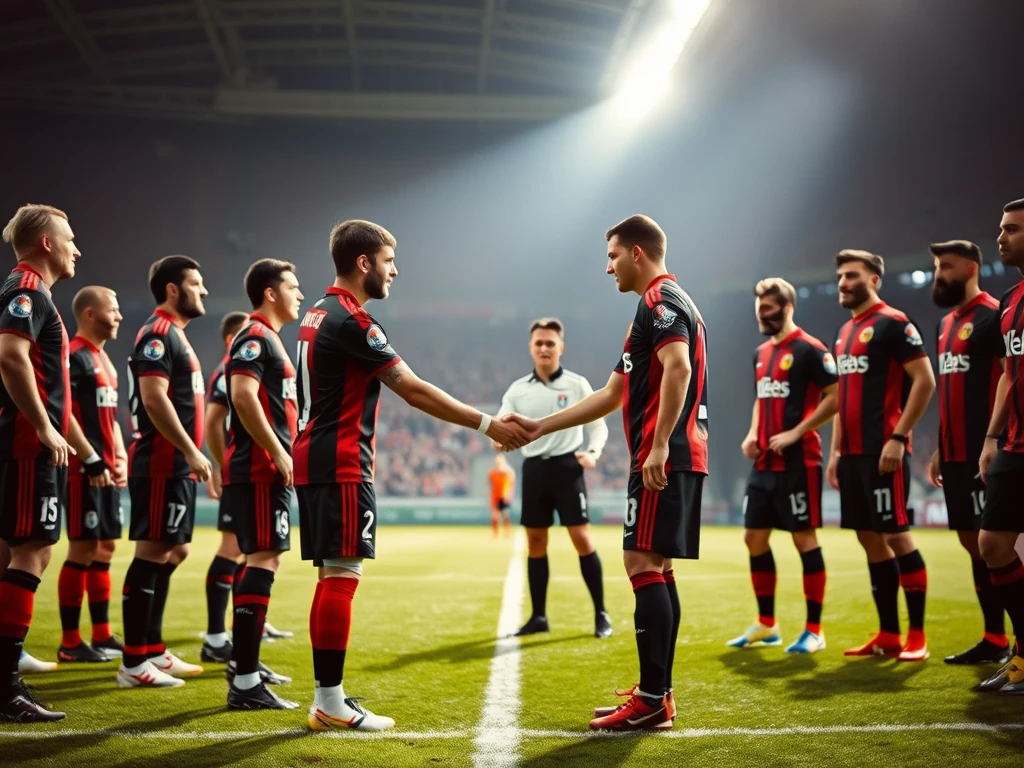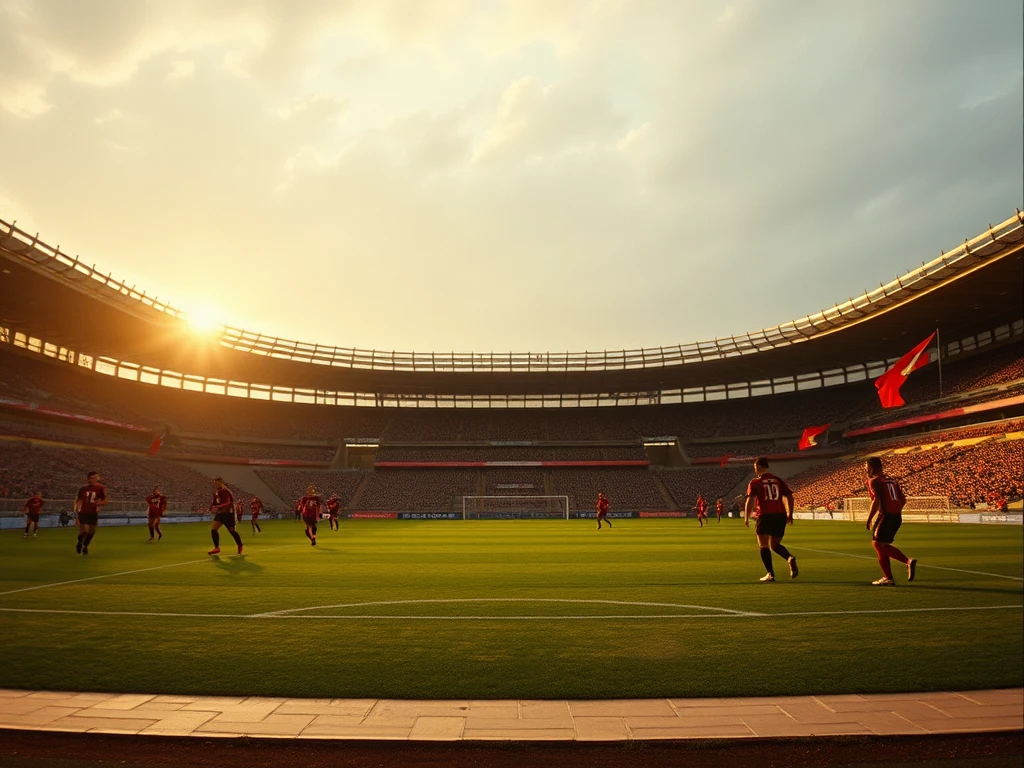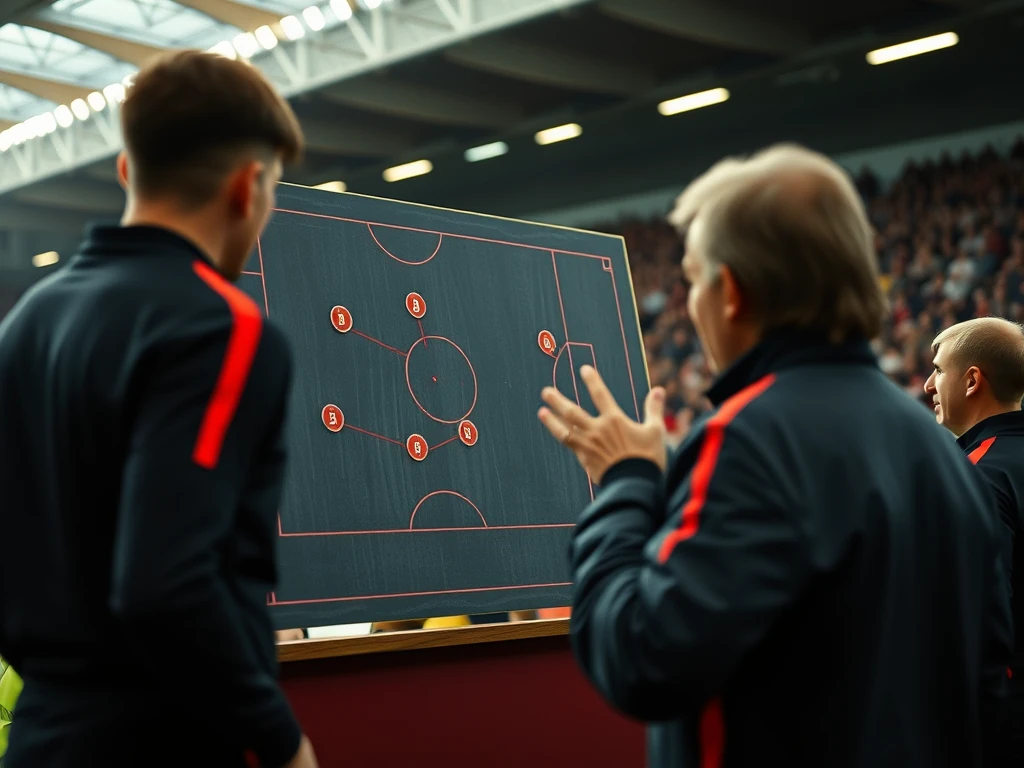
In 1996, Bayer Leverkusen experienced a remarkable promotion from the 2. Bundesliga to the highest league in Germany, the Bundesliga. Under the leadership of coach Christoph Daum, the team delivered an impressive performance that astounded not only fans but also football experts across Germany.
The Werkself boasted a talented squad during the 1995/96 season, led by players like Ulf Kirsten and Rainer Calmund. Kirsten, a native of Saxony and one of the best strikers of his time, was crucial to the team's success. His goals were not only important but also spectacular, sending chills down the spines of fans in the stadium.
The return to the Bundesliga was not just a sporting success but also a moment of identity formation for the club. Bayer Leverkusen had long been known as the "underdog," but this promotion changed the club's self-perception. The Werkself was now ready to compete with the big names in German football and approached matches with newfound confidence.
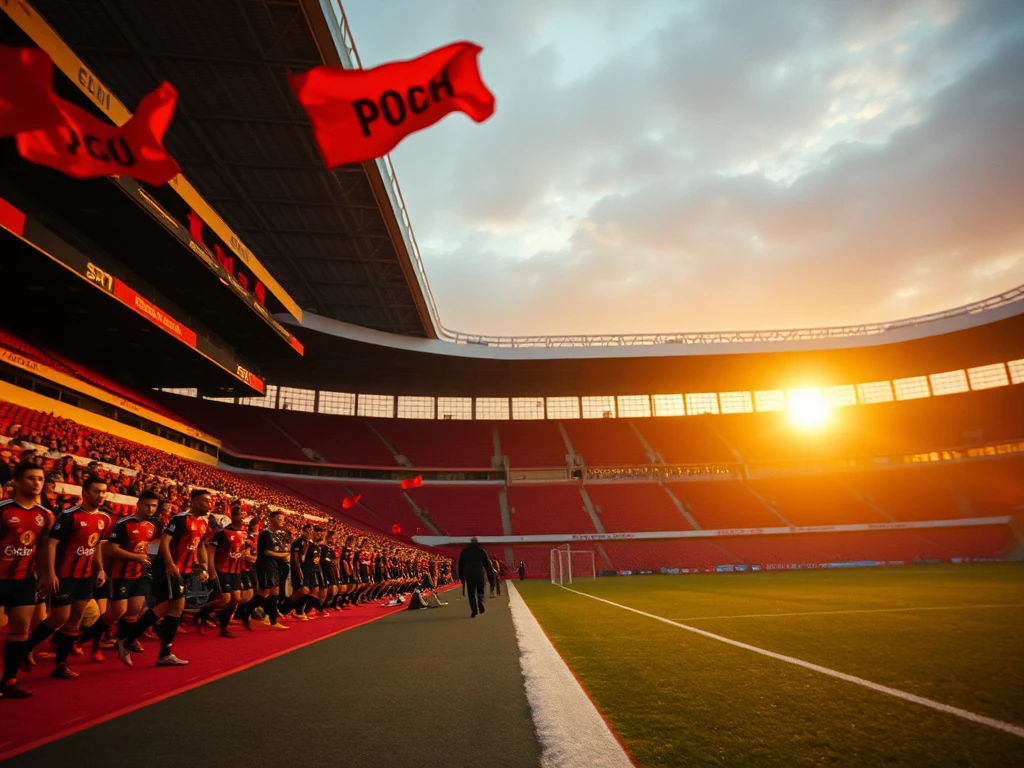
Fans played a central role during this time. With passionate support in the stadium and from afar, they helped motivate the team to achieve peak performances. The atmosphere in the stadium was electric, and the team responded with exciting football that captivated audiences.
In the following years, the Werkself demonstrated that the promotion of 1996 was not just a one-time event but the beginning of a new era. Leverkusen quickly established itself as a fixture in the Bundesliga and participated in European competitions. Thus, the promotion was not only a sporting triumph but also the foundation for the club's sustainable development.
The return to the Bundesliga was more than just reaching a league; it was a signal to all that Bayer Leverkusen was ready to play a significant role in German football. The promotion of 1996 remains a key moment in the history of the Werkself and is regarded as a milestone by both fans and players alike.